What It Means to “Buy Art Well”
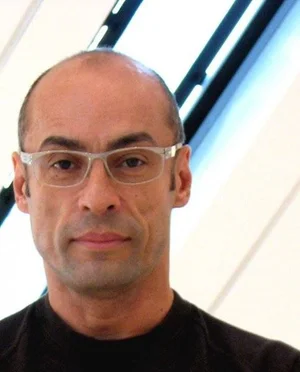
Interview with Francisco Alvarez, originally published by Wahi (wahi.ca), February 2023.
What are the benefits and joys of building a thoughtfully created art collection?
If you are an art lover — and not everyone is — then it is all about the pleasures of looking and owning. Artworks should enhance your life, reflecting and expressing something about you as well as about the artist. A strong art collection reflects your tastes and interests and has an internal logic and cohesion. A few collectors zone in on one particular medium — black and white photography, for example — but most have eclectic tastes. Your favourite artworks may hold the memory of a specific person or event, or carry an interesting story. The key is finding works that are meaningful to you, by artists with a strong trajectory and real potential as a financial investment.
What advice would you give to homeowners who want to define and refine their taste in art?
You don’t have to be an art expert. I recommend that you simply look at art as much as you can. Visit museums and galleries and pay attention to the works that catch your eye. What is interesting about them? Are there certain techniques or approaches you keep returning to? Do certain subjects — portraits, for example — hold particular interest for you? These are valuable clues to keep in mind when you are ready to invest in a piece. Working with an art advisor makes the complex art world considerably easier to navigate.
What advice do you give those who want to buy art that is likely to appreciate in value?
There are never any guarantees of an increase in value, unless you can afford to invest in well-established artists. Many factors determine the value of a work, including its aesthetic appeal, cultural or social importance, ownership and exhibition history, the artist’s reputation, and past sales. Commercial value is not always apparent from outward appearance. While we often read about remarkable sale prices, many people are disappointed when they try to resell their art. What matters is the market for that particular artist at the time you want to sell. If financial value is your primary concern, buy artists with an established career and a strong current sales record. For many collectors, however, the real pleasure lies in discovering a young artist who goes on to a significant career.
What mistakes do people make in choosing art for their homes?
The most common mistake is installing a work that is too large or too small for the space. I think of the wall or room where a work is displayed as another kind of frame for the artwork. Scale matters enormously in creating the right balance between the piece and its environment. People often fixate on colour as the primary factor, but size, texture, and light are equally important. Another very common mistake is hanging works too high on the wall.
What misconceptions do people have about original art?
The biggest misconception is that all artworks increase in value. Some will, but many will not. If there is no market demand for an artist, there is no market value. There is a great deal of mediocre art in the world. Working with an established art consultant will help you find beautiful work you will love, with a far better chance of long-term value. An individual gallery owner can offer guidance too, but they are in the business of selling only their own roster of artists. An art consultant can recommend a much wider range of works from galleries and artists in other cities and countries, giving you genuine confidence that you are making the best possible purchase.
What sources of art do you recommend?
There are many excellent online platforms to explore, such as Artsy and Saatchi Art — always fun to browse. Buying online is fine if you already know the artist well, but I firmly believe you need to see a work in person to fully understand its impact. If there is an art gallery near you, just walk in. Art fairs are wonderful opportunities to encounter a large volume of work from galleries near and far, at every price point. The pleasure of these events is talking with gallerists and artists who are genuinely happy to share their work with a curious public. You don’t have to buy right away, although someone else might buy it, but building personal relationships is one of the most rewarding parts of the collecting journey.
Francisco Alvarez is an art consultant based in Oshawa, Canada. Reproduced with permission and credit to the original publisher. All rights reserved.